Landing page or website? The difference determines whether visitors make inquiries or leave the site.
Kevin Winter ist Geschäftsführer von on:NetworkAgency und hilft Unternehmen dabei, online gefunden zu werden. Schreibt über Websites, SEO, Sichtbarkeit bei Google und KI-Systemen – und was davon im Alltag wirklich funktioniert. Ohne Agentur-BlaBla.

Landing page or website? The difference often determines whether visitors submit inquiries or leave the site

Some companies invest a lot of money in design, technology, and advertising, yet still wonder why they aren't getting any inquiries. The reason often lies not in what they offer, but in how their site is structured. After all, the difference between a landing page and a website is much greater than many people realize.

A traditional website is designed to inform, build trust, and provide guidance. A landing page, on the other hand, usually has only one goal: to prompt a specific action. Sounds similar? It’s not, though. And that’s exactly why it’s worth taking a closer look at the difference between a landing page and a website.

Website or landing page? Two digital tools with completely different purposes

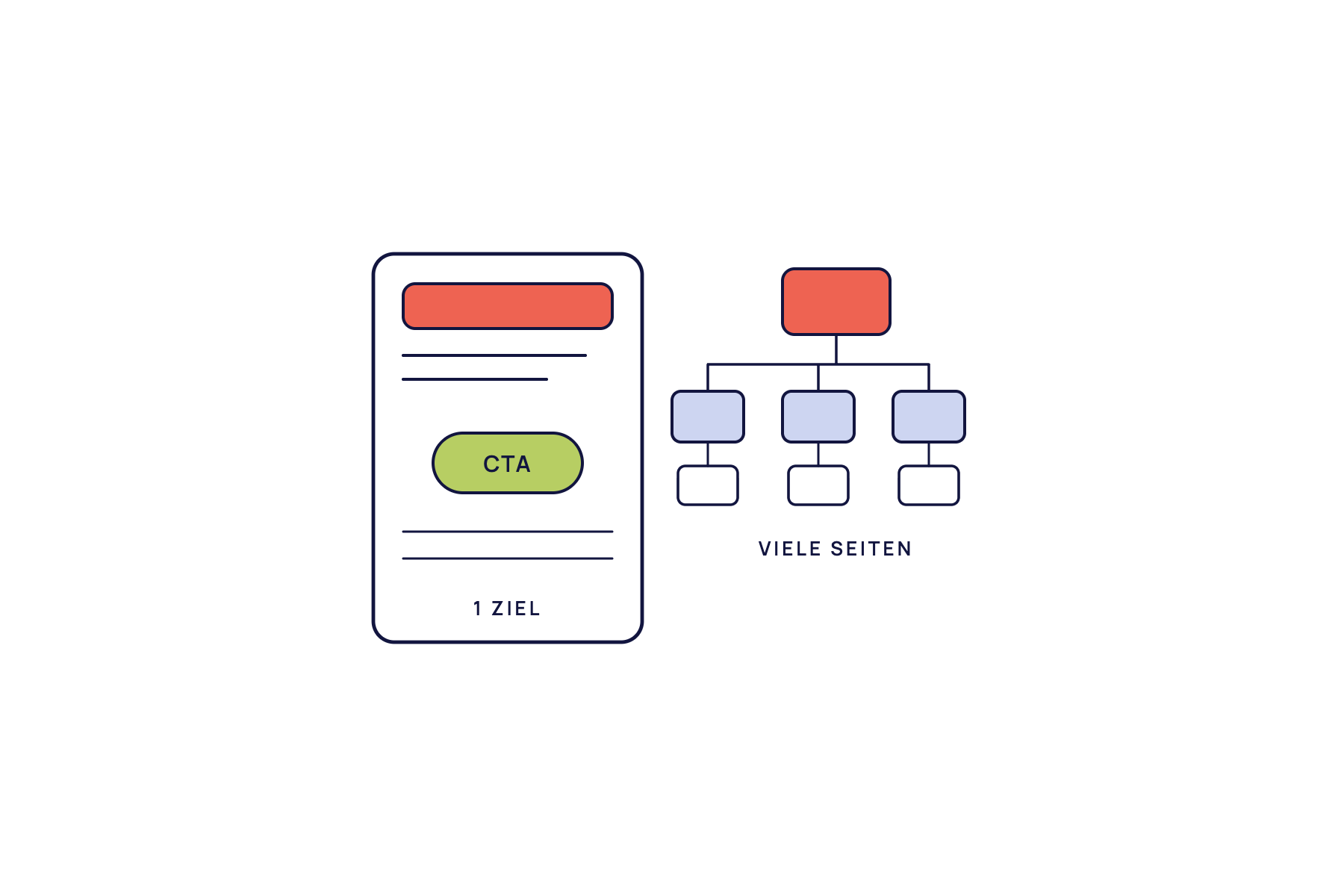
The main difference between a landing page and a website lies in their focus. A website functions like a digital company location. Visitors can access various subpages, discover services, learn more about the company, or get in touch.

A landing page, on the other hand, is more like a targeted sales meeting without small talk. Fewer distractions, less navigation, more clarity.

The Classic Website: A Structured Digital Corporate Presence

A website consists primarily of several subpages. Typical examples include:

  • Home
  • Services Pages
  • About Us Section
  • Blog
  • Contact Page
  • FAQs

The goal: visibility, brand building, and long-term communication of information. A website is particularly well-suited for companies that want to be found on Google over the long term and reach various target audiences. In short: A website is the big picture.

The Landing Page: Focus Instead of a Digital Maze

Landing pages work differently. They're usually designed to prompt just one specific action:

  • Contact Request
  • Schedule an Appointment
  • Purchase
  • Download
  • Registration

That's why the layout is much simpler. Fewer menus, fewer distractions, clearer messages. The difference between a landing page and a website is particularly evident here: While websites provide information, landing pages are designed to convert visitors.

Or to put it more bluntly: The website explains. The landing page sells.

When Is a Landing Page Really Worth It?

A landing page is particularly useful when targeted campaigns are running. For example:

  • Google Ads
  • Social Media Ads
  • Regional campaigns
  • Product launches
  • Special Services

For example, anyone who runs ads for “Web Design Hamburg” and then directs visitors to a general homepage with no local connection is often wasting potential. A targeted landing page engages people much more directly.

The difference between a landing page and a website is therefore particularly relevant in marketing. This is because different goals require different page structures.

Do we need both today?

In many cases: yes. A strong website builds trust and visibility. Landing pages also help campaigns perform more effectively. It is precisely this combination that is becoming attractive to many companies today, especially as they compete for attention.

Because let's be honest: No one wants to click through seven menu items just to make a simple inquiry.

Good websites have a clear goal

The difference between a landing page and a website isn't a minor technical detail—it's a strategic decision. Websites build brands. Landing pages drive users to take specific actions.

Which solution makes sense, therefore, does not depend on what seems “more modern”—but rather on what your customers really need: guidance, trust, a quick decision, or a direct path to making an inquiry. This is exactly where digital gut feelings differ from sensible structure.

That's why on:NetworkAgency focuses not only on design and technology, but also on the goal, user experience, and impact. Because sometimes what's missing isn't a completely new website—it's simply the right page for the right task.

Landingpage oder Website?

Der Guide, der die Frage beantwortet. Viele Unternehmen schicken Ad-Klicks auf ihre allgemeine Startseite. Besucher sind verwirrt, wissen nicht, was sie tun sollen — und gehen wieder. Das Problem liegt nicht in der Anzeige.

lead-magnet-gate-plus

No spam. Unsubscribe anytime.

This Topic as a Project

We build what really converts—we develop your
landing page or website.

From defining objectives to design and copywriting to the finished website—we handle the operational side, so you can keep your mind free for your business.

Frequently Asked Questions

Frequently Asked Questions
About Landing Pages.

The main difference lies in the goal. Websites provide comprehensive information, while landing pages usually focus on a specific action.

Yes. Landing pages are specifically designed to guide visitors toward making an inquiry or completing a conversion.

Definitely. Many companies also use landing pages as part of their existing website structure.

Not necessarily. However, those who actively run campaigns or want to generate targeted leads often benefit significantly from it.
About This Article

This article is part of our Technology series on web projects and was written by Kevin Winter. It is updated regularly. The current version is from June 2026.
Online Marketing for SMEs: Visibility Beats Gut Feelings.

Kevin Winter ist Geschäftsführer von on:NetworkAgency und hilft Unternehmen dabei, online gefunden zu werden. Schreibt über Websites, SEO, Sichtbarkeit bei Google und KI-Systemen – und was davon im Alltag wirklich funktioniert. Ohne Agentur-BlaBla.

Online Marketing for SMEs: Visibility Trumps Gut Feelings

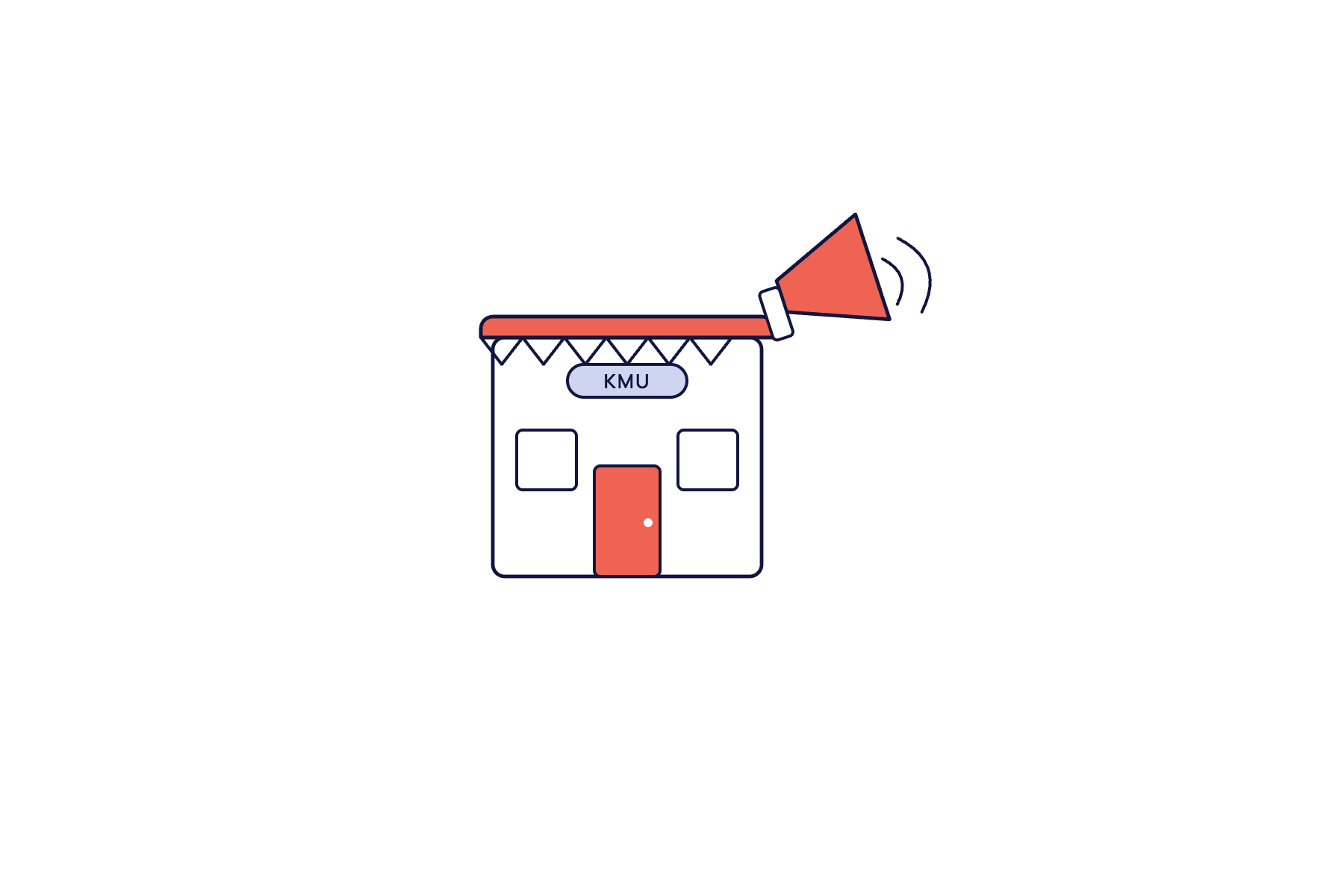
In the past, a good location, a listing in a business directory, and perhaps a company car with a logo were often enough. Today, something else frequently determines whether companies are found: digital visibility. That’s exactly why professional online marketing is increasingly becoming a competitive advantage for small and medium-sized businesses. This is true even for businesses that have thrived for decades without much of an online presence.

Because customers use Google. They compare. They read reviews. They ask AI systems. And they often click exactly where content is clear, trustworthy, and visible. If you have a minimal online presence, you’ll lose attention faster than you think. We’ll show you what matters.

Online Marketing for Small and Medium-Sized Businesses: Why Digital Visibility Must Be the Norm Today

Small and medium-sized businesses often don’t have the budgets of large corporations. Nor do they need to. Effective online marketing for SMEs doesn’t automatically mean huge advertising budgets or daily social media stunts with ring lights and motivational music. Rather, it’s about combining the right strategies in a meaningful way.

Get noticed before the competition gets the click

Many purchasing decisions now begin online—even if the actual purchase is made offline later. Businesses that don’t appear in Google search results, AI responses, or on relevant platforms are often not even considered in the first place.

That's why modern online marketing for small and medium-sized businesses today involves much more than just a nice-looking website:

  • SEO and GEO for Better Visibility
  • Fast and Technically Sound Websites
  • Clear brand communication
  • Targeted advertisements
  • Helpful content with real added value
  • Local visibility for regional businesses

AI-based search systems are currently revolutionizing the way content is found. Companies must therefore ensure they are clearly visible, especially to generative systems.

Trust has long been built digitally

Before anyone gets in touch, they often check a few things first: Does the website look professional? Is the content up to date? Does the company even understand my problem?

This is exactly where good online marketing for small and medium-sized businesses differs from generic, cookie-cutter marketing. It’s not about being as loud as possible. It’s about being relevant, understandable, and credible.

A strong website can serve as a sales tool, a way to build trust, and a digital business card all at once. Around the clock. Without a coffee break.

Small businesses often need a clearer strategy

Many small and medium-sized businesses make a critical mistake: They jump right into implementing individual measures without first defining what they actually want to achieve.

Then run:

  • Google Ads Without a Clear Landing Page
  • Social media without a strategy
  • Blog posts without search intent
  • Websites Without a Conversion Goal

The result? Lots of action. Little impact.

Effective online marketing for small and medium-sized businesses, on the other hand, works like a well-oiled machine: goals, target audiences, content, technology, and visibility all work together seamlessly.

Why External Perspectives Are Often Useful

Owner-managed companies, in particular, are understandably deeply immersed in their day-to-day operations. That is exactly why an outside perspective is often helpful.

A good agency doesn't develop "off-the-shelf" strategies, but instead asks the following honest questions:

  • What Really Generates Leads?
  • Which channels are worth it?
  • What content is missing?
  • Where is the website losing potential customers?

Online Marketing for SMEs Requires Expertise

Any business that isn't visible online today is squandering its potential. At the same time, not every company needs to be constantly riding the latest marketing trend. For small and medium-sized businesses, successful online marketing means, above all, communicating clearly, gaining visibility in a meaningful way, and building trust.

This is exactly where on:NetworkAgency comes in: with pragmatic marketing, technical expertise, and strategies that don't just sound good—they actually work in real life.

Online-Marketing-Canvas für KMU

Ihre Strategie auf einer Seite. In 30 Minuten ausgefüllt. Der Canvas zwingt Sie, die wichtigsten strategischen Fragen zu beantworten, bevor Sie Geld ausgeben.

lead-magnet-gate-plus

No spam. Unsubscribe anytime.

This Topic as a Project

We'll develop your online marketing strategy.

From SEO and ads to content and the technical infrastructure—we handle the day-to-day operations, so you can keep your mind free for your business.

Frequently Asked Questions

Frequently Asked Questions
About Online Marketing.

These include, among other things, SEO, GEO, content marketing, social media, Google Ads, email marketing, and optimizing your own website.

That depends heavily on your goals, industry, and competition. What matters less is the sheer size of the budget and more is setting sensible priorities for your initiatives.

A website without visibility is a bit like a store without a front door. It can only be found through SEO, content, advertising, or local optimization.

Yes. Local businesses in particular benefit greatly from regional visibility on Google, Google Maps, and AI-powered search systems.

About This Article

This article is part of our Growth series on online marketing for small and medium-sized businesses and was written by Kevin Winter. It is updated regularly. The current version is from June 2026.
Local SEO: How to Be Visible Where Customers Are Actually Searching.

Kevin Winter ist Geschäftsführer von on:NetworkAgency und hilft Unternehmen dabei, online gefunden zu werden. Schreibt über Websites, SEO, Sichtbarkeit bei Google und KI-Systemen – und was davon im Alltag wirklich funktioniert. Ohne Agentur-BlaBla.

Local SEO: How to Be Visible Where Customers Actually Search

These days, anyone looking for a restaurant, an agency, a small business, or a service provider rarely turns to a business directory. Instead, a quick glance at local Google search results often determines who gets noticed. This is exactly where local SEO becomes crucial.

After all, local visibility doesn't happen by chance. It's the result of clean data, relevant content, and a website that not only looks good but is also understood locally.

Local SEO Explained in a Straightforward Way

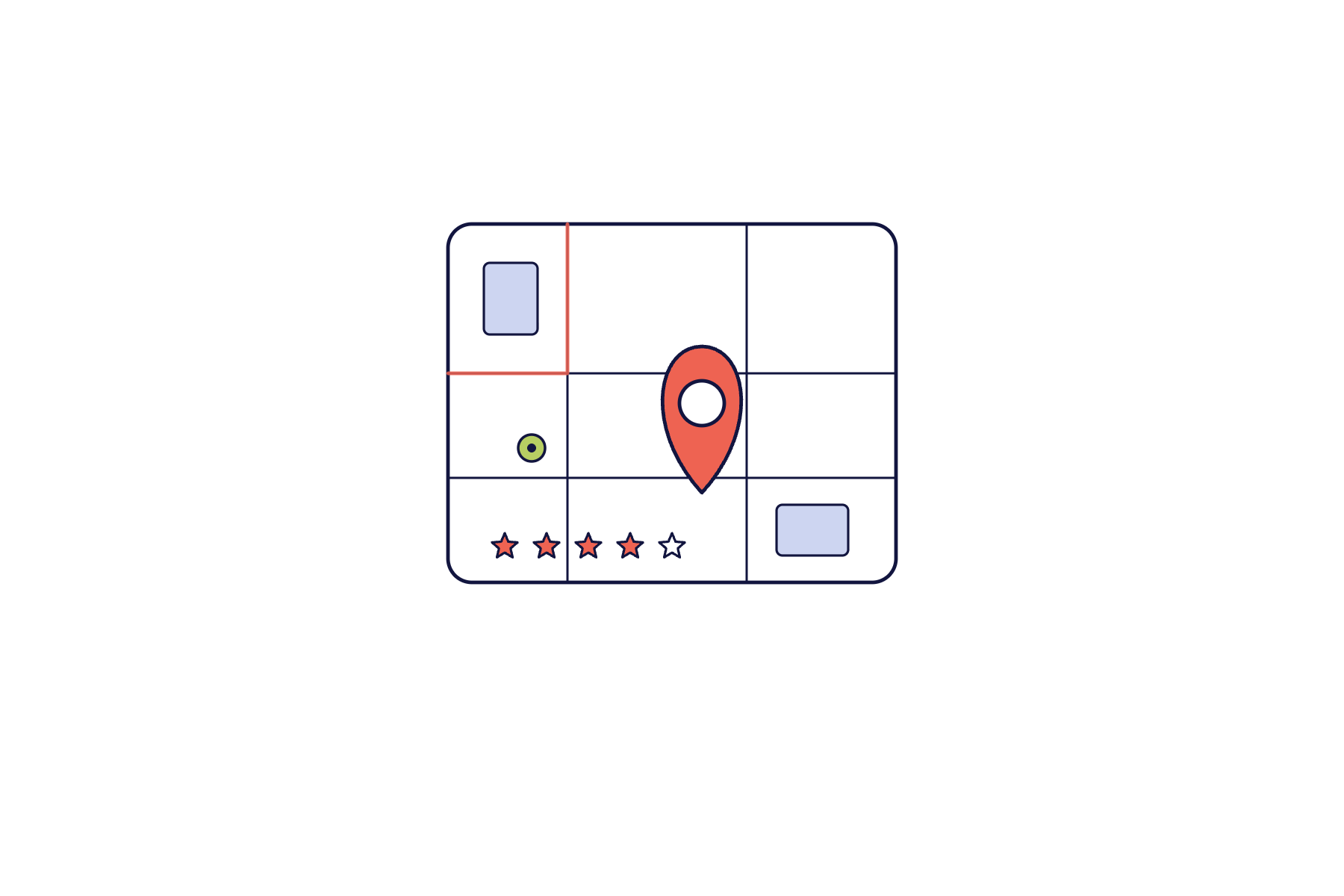
People search locally—all the time. “Nearby,” “open now,” “in Hamburg,” “near me”—these are all search queries that clearly indicate an intention to buy or make contact. Whoever is visible there captures attention at the exact moment potential customers are actively searching.

Local SEO ensures that businesses appear in these local search results. This includes, among other things:

  • Google Business Profiles
  • Local landing pages
  • Reviews
  • Location data
  • Regional Keywords
  • Mobile usability

Local SEO, then, combines digital visibility with physical locations and genuine contact requests.

These are the building blocks of effective local SEO

Local SEO isn't just one trick; it consists of several building blocks that work together seamlessly. If you want to be visible locally, you need clear location signals, relevant content, and a website that both search engines and users can understand.

A well-maintained Google Business Profile

This is probably the most important starting point. Opening hours, services, photos, phone numbers, and reviews should be kept up to date and complete. Half-filled-out profiles seem about as trustworthy as a storefront with a flickering neon sign.

Local keywords with genuine relevance

Not just “web design,” but “web design Hamburg.” Not just “tax advisor,” but “tax advisor Bergisch Gladbach.” Effective local SEO strategies take real search habits into account and incorporate regional terms into content in a meaningful way.

Local Websites with Substance

Many companies simply list cities. This rarely yields lasting results. Content with a genuine local connection works better: services, unique features, regional challenges, or industry-specific topics relevant to the local area.

Reviews and Trust

Reviews build trust—both with potential customers and with Google. Meaningful reviews with genuine content can significantly boost local visibility. And responding to feedback also shows that you’re approachable, attentive, and not just a digital presence.

Don't forget the technical basics

The same applies to local SEO: Slow websites, faulty mobile views, or chaotic page structures don't help anyone. Visibility always results from a combination of technology, content, and user experience.

Visibility often starts right on your own doorstep

Many companies invest a lot of energy in expanding their reach, but in doing so, they overlook the people right in their own community. Yet local search queries are often much more specific—and therefore more valuable.

That’s why a good local SEO strategy can be a real game-changer, especially for small and medium-sized businesses. Ideally, it should feature a clear structure, effective optimization, and content that’s truly relevant to the local area.

Local SEO – Be Found Where the Demand Is

A modern website alone is rarely enough. If you want to be found locally, you need to provide search engines with clear local signals while also making a good first impression on visitors.

That is precisely where the strength of sustainable local SEO lies: gaining visibility where genuine demand arises. Not by artificially raising your voice, but through structure, relevance, and a digital presence that actually makes a difference.

If you want to tackle this topic strategically rather than as an afterthought, on:NetworkAgency doesn't offer generic, off-the-shelf SEO packages—instead, it provides honest advice, professional execution, and regional visibility with added value.

Local SEO Starter-Kit

In vier Schritten lokal bei Google gefunden werden. Wer bei lokalen Suchen nicht auftaucht, verliert Anfragen an Mitbewerber — nicht, weil diese besser sind, sondern weil sie digital besser aufgestellt sind.

lead-magnet-gate-plus

No spam. Unsubscribe anytime.

This Topic as a Project

We'll boost your local visibility.

From Google Business to local content to technical optimization—we handle the day-to-day operations so you can keep your mind free for your business.

Frequently Asked Questions

Frequently Asked Questions
About Local SEO.

Local SEO refers to the optimization of local online visibility. The goal is to appear as high as possible in the search results for regional search queries.

This is especially true for businesses and service providers with a strong local focus, such as agencies, restaurants, medical practices, small businesses, or local service providers.

That depends on the competition, the location, and the starting point. Initial improvements can often be seen after just a few weeks, but lasting results take time and consistency.

Yes. In fact, it’s one of the most important components of a successful local SEO strategy.

About This Article

This article is part of our Growth series on search engine marketing and was written by Kevin Winter. It is updated regularly. The current version is from June 2026.
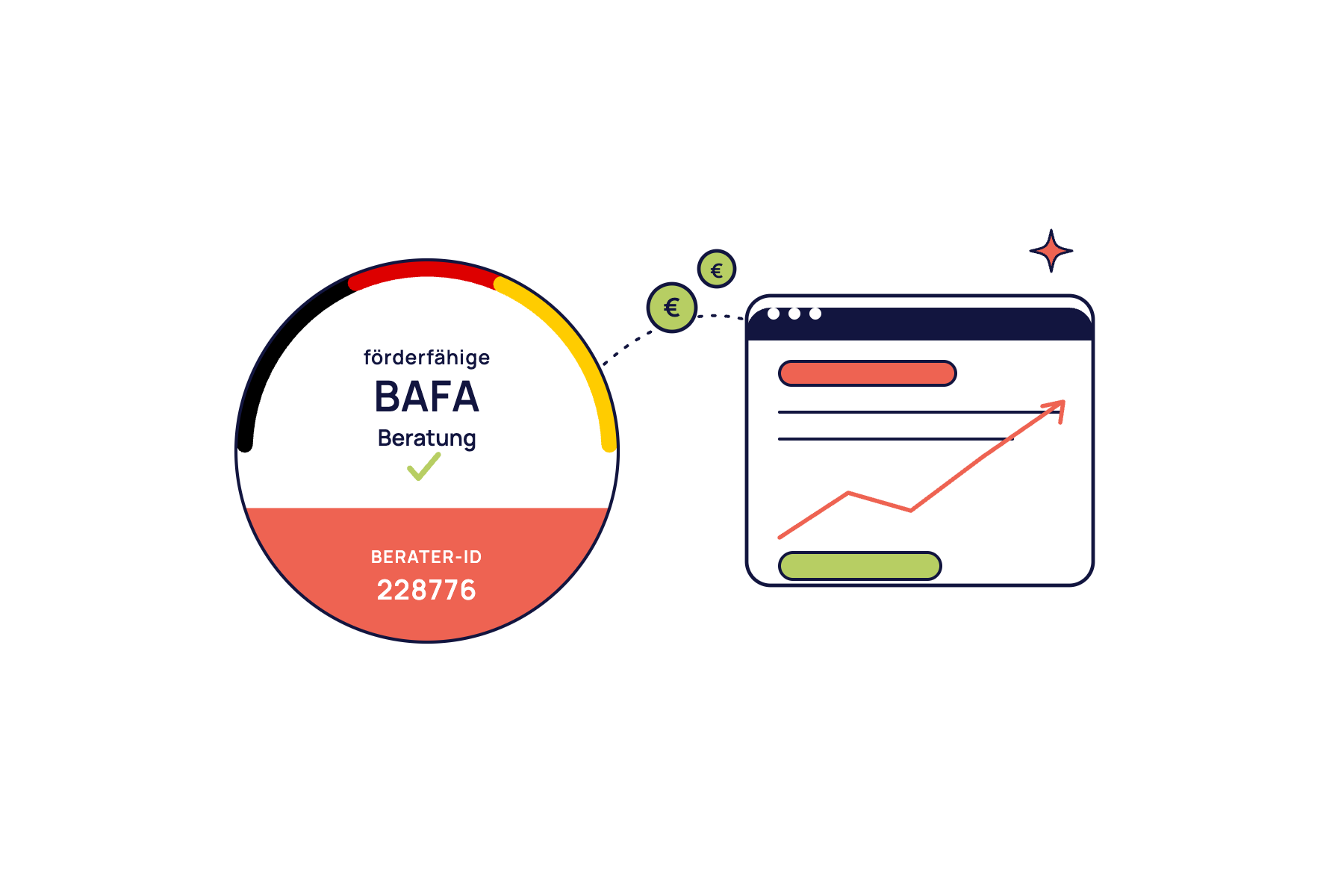
BAFA Funding for
Website, SEO, and Online Marketing: What SMEs in Hamburg Really Need to Know

Many companies in Hamburg invest in their websites or online marketing without realizing that part of that investment could be subsidized by the government. The BAFA program for management consulting has been in place for years. Yet it is rarely used in the digital sector because most small and medium-sized enterprises (SMEs) are unaware that web design consulting, SEO analysis, or an online marketing strategy are eligible for funding.

„Most small and medium-sized businesses pay full price for their websites and SEO. However, the government covers up to 3,500 euros for consulting services related to digitalization, search engine optimization, and online marketing. You just have to apply in time.“

What the BAFA program is and how it relates to digitalization

Through the “Promotion of Entrepreneurial Know-How” program, the Federal Office for Economic Affairs and Export Control (BAFA) provides funding for external consulting services for small and medium-sized enterprises. The program is not limited to traditional management consulting. Digital topics are explicitly eligible for funding: search engine optimization, online marketing strategy, web design concepts, digital positioning, and, most recently, GEO consulting for AI visibility.

What surprises many people is that the grant does not have to be repaid. The program runs through the end of 2026.

Who Is Eligible for Financial Assistance in Hamburg

Companies that meet the following criteria are eligible for funding:

  • Fewer than 250 employees
  • Annual revenue of no more than 50 million euros
  • Headquarters or place of business in Germany

This also applies to self-employed individuals, freelancers, and sole proprietors. Excluded are, among others, tax advisors, attorneys, and notaries.

How much is the grant in Hamburg?

Hamburg is located in the former West German states. The funding rate is 50 percent of eligible consulting costs. The maximum consulting cost is 3,500 euros. This results in a grant of up to 1,750 euros per funding phase.

Up to five grants are available per company, with a maximum of two per calendar year. Those who consistently take advantage of this program can have a significant portion of their consulting costs subsidized over several years.

In addition, companies in Hamburg can take advantage of the Hamburg Digital Check: up to 50 percent funding for digital consulting services, with a maximum grant amount of 7,500 euros. Both programs can be combined under certain circumstances.

What Specifically Is Eligible for Funding

Consulting services in the following areas are eligible for funding:

  • Website Strategy and Relaunch Concept
  • Search Engine Optimization (SEO) and Technical SEO Audit
  • Online Marketing Strategy and Channel Planning
  • GEO Consulting for Visibility in AI Systems
  • Local Visibility (Local SEO, Google Business)
  • Digital Positioning and Brand Development

The program does not fund implementation alone, product development, or ongoing service contracts. The program funds consulting services, not implementation.

How We Work

From idea to result. In four clear steps.

No flying blind. We clearly explain how the process works.

1

Free Initial Consultation

Together, we'll determine whether your project is eligible for funding and what steps make sense to take.

2

Submission of Applications

The application is submitted by your company. We will assist you with the preparation. Important: The application must be submitted before the project begins.

3

Approval

The BAFA typically processes applications within a few days. The consultation may not begin until confirmation has been received.

4

Implementation & Billing

Once you have completed the process, submit the required documentation. The grant will be deposited directly into your account.

Bis zu 1.750 EUR Förderung für Ihre Website, SEO oder Online-Marketing

Was KMU in Hamburg wissen müssen — und wie Sie die Förderung noch 2026 beantragen.

lead-magnet-gate-plus

No spam. Unsubscribe anytime.

Why Many SMEs Still Don't Take Advantage of the Funding

We guide you through the process from the initial assessment to the completion of the grant

Compared to other grant programs, this one involves very little red tape. The most common reasons why SMEs still don't take advantage of it are:

  • Lack of awareness: Many people are unaware that digital consulting services are eligible for funding.
  • Poor timing: The application must be submitted before the project begins. Anyone who waits until after the project starts to ask has no chance.
  • Lack of a Partner: Not every agency is listed with the BAFA. Without a listed consultant, funding is not possible.

on:NetworkAgency is listed with BAFA as a consulting firm. We guide clients through the process from the initial assessment to the final approval of funding.

Are you planning a digital project and want to find out if you're eligible for funding? Book your free funding assessment with on:NetworkAgency now.

Frequently Asked Questions

Frequently Asked Questions
about BAFA Funding.

As soon as you plan to invest in a website, SEO, or online marketing—not after that. The BAFA program is specifically designed for projects that have not yet begun. If you plan now, you can still receive a subsidy for part of the costs this year.

The program runs through December 31, 2026.

Yes. The BAFA program explicitly provides funding for consulting services related to digitalization, search engine optimization, and online marketing. The requirement is that the consulting services be provided by a consultant listed with BAFA. on:NetworkAgency is a listed BAFA consultant.

No. The application must be submitted and approved before the project begins. Anyone who applies after the project has started is no longer eligible. This is one of the most common mistakes.

Usually a few days to two weeks. The Federal Office for Economic Affairs and Export Control (BAFA) processes applications quickly. After that, the consultation can begin right away.

The company itself. The application is submitted directly to the BAFA. We assist you with the preparation and ensure that all information is correct.

Up to five times in total. A maximum of two grants per calendar year. The topics must be different.

This rarely happens when all the requirements are fully met and correct. Common reasons for rejection include: the company does not meet the SME criteria, the consultant is not listed, or the project topic is not eligible for funding. We check eligibility in advance at no cost to ensure that this does not happen.

About This Article

This article is part of our Growth series on funding and digital visibility and was written by Kevin Winter. It will be updated as soon as funding rates, program durations, or eligible services change. The current version is from June 2026.

SEO vs. Paid Search: Where Should You Invest First?

Kevin Winter ist Geschäftsführer von on:NetworkAgency und hilft Unternehmen dabei, online gefunden zu werden. Schreibt über Websites, SEO, Sichtbarkeit bei Google und KI-Systemen – und was davon im Alltag wirklich funktioniert. Ohne Agentur-BlaBla.

SEO vs. Paid Search: Where Should You Invest First?

Anyone who wants to build an online presence will sooner or later come across one of the big, perennial marketing topics: SEO vs. paid search. So, should you work your way up the Google rankings over the long term, or buy reach right away?

As is so often the case, the honest answer is: It depends. On your budget. Your goals. Your timeline. And on how patient you are when Google has its own idea of what “fast” means in your case.

Because while paid ads often generate clicks as early as tomorrow, search engine optimization is more like a marathon with a good pair of running shoes than a sprint fueled by an energy drink. We’ll show you what to look out for.

SEO vs. Paid Search: What Really Helps Businesses Get Started?

The debate over SEO versus paid search often takes on an unnecessarily ideological tone. Some tout SEO as the only sustainable solution. Others, on the other hand, prefer to run ads right away and want to see maximum results immediately. In practice, both channels work differently, and that is precisely why they should be considered strategically.

SEO: Long-Term Visibility with Substance

SEO ensures that your website is found organically—that is, without paying per visitor. That sounds appealing at first, and it certainly is in the long run.

The benefits:

  • Sustainable traffic without ongoing advertising costs
  • Greater credibility through organic rankings
  • Strong impact on information-driven search queries
  • Long-term brand building

But: SEO takes time. Good rankings don't happen overnight. New websites, in particular, first have to build trust with Google. Those who start today often don't see truly stable results until a few months later.

Paid Search: Quickly Visible, but Not Long-Lasting

Paid search—such as Google Ads—works in a much more direct way. Launch a campaign, set a budget, and run ads. In the best-case scenario, you’ll get your first clicks on the very same day.

The benefits:

  • Immediate visibility
  • Quick ways to test offers and keywords
  • Precise targeting of audiences
  • Predictable scalability

The catch: As soon as the budget runs out, visibility usually stops as well. That’s exactly why the debate over SEO vs. paid search is often misunderstood. Paid search buys attention. SEO builds it.

What leads to greater visibility?

The debate over SEO versus paid search often ends up at extremes: either relying entirely on organic reach or continuously investing advertising budgets in paid ads. In practice, however, digital marketing is rarely black and white.

Instead of blindly pouring your budget into ads or selling SEO as a test of patience without a plan, it’s all about clarity: What will drive visibility right now? What will pay off in the long run? And what can you do without?

on:NetworkAgency supports companies precisely in this area: with honest advice, thorough analysis, and a marketing strategy that doesn't feel like a cookie-cutter solution.

SEO oder Google Ads?

Die ehrliche Entscheidungshilfe für KMU. „SEO ist nachhaltig, Ads liefern sofort“ — beide Aussagen stimmen, beide greifen zu kurz. Was sinnvoll ist, hängt von vier Faktoren ab: Budget, Zeitrahmen, Wettbewerb und Ziel.

lead-magnet-gate-plus

No spam. Unsubscribe anytime.

This Topic as a Project

We'll develop your
SEO and paid advertising strategy.

We'll develop your SEO and paid advertising strategy.
From analysis to channel selection to ongoing optimization—we handle the operational side, so you can keep your mind free for your business.

Frequently Asked Questions

Frequently Asked Questions
About SEO.

In the short term, SEO often seems more cost-effective because there are no pay-per-click fees. In the long term, however, search engine optimization requires time, content, and ongoing optimization. Paid search delivers results more quickly but incurs ongoing costs.

Ideally, right away. SEO takes time to take effect. Those who start early build visibility and reach over the long term.

Paid search is particularly well-suited for new websites, short-term campaigns, seasonal offers, or companies that want to generate leads quickly.

Yes, and that’s often exactly what makes sense. While paid search delivers reach in the short term, SEO ensures stable organic visibility in the long term.

About This Article

This article is part of our Growth series on search engine marketing and was written by Kevin Winter. It is updated regularly. The current version is from June 2026.
When is it worth relaunching a website?

Kevin Winter ist Geschäftsführer von on:NetworkAgency und hilft Unternehmen dabei, online gefunden zu werden. Schreibt über Websites, SEO, Sichtbarkeit bei Google und KI-Systemen – und was davon im Alltag wirklich funktioniert. Ohne Agentur-BlaBla.

When is it worth relaunching a website?

Sometimes a fresh coat of paint just isn't enough. The website looks technically outdated, the content no longer aligns with the current positioning, and visitors rarely turn into leads. This is exactly where a strategic website relaunch comes into play.

Not just as a purely cosmetic project, but as a digital foundation for greater visibility, renewed trust, and sustainable growth. We’ll show you when it’s really time for a comprehensive website relaunch.

More Than Just a New Design: What Is a Website Relaunch?

A website relaunch isn't just a matter of changing a few colors and moving the logo two pixels to the left. Ideally, the entire website is reimagined from a technical, structural, and content perspective.

Technology, Structure, User Experience: It's All Interconnected

A modern website relaunch treats the website as a complete system. This includes, among other things:

  • Modern Web Design
  • Faster loading times
  • Mobile optimization
  • Clear user guidance
  • SEO structure and keyword architecture
  • Conversion optimization
  • Technical Stability
  • Content with a genuine and clear message

After all, what good is even the most beautiful website if users can't find what they're looking for or if Google sends them right back to another site?

Companies that have grown over the years, in particular, often accumulate digital baggage online: subpages with no purpose, duplicate content, outdated plug-ins, inconsistent brand messaging, or site structures where even the menu takes a moment to make sense of.

A professional website relaunch cleans things up exactly there. Clearly. Strategically. And without any marketing smoke and mirrors.

When Is a Website Relaunch Really Worth It?

Not every website needs a complete overhaul right away. But there are clear signs that the current site is holding you back rather than helping you.

You should take these signs seriously

A website relaunch is often worthwhile if:

  • the website is technically outdated
  • it doesn't work well on mobile devices
  • The content no longer aligns with the brand
  • No inquiries or leads
  • Page load times are slow
  • SEO potential is being wasted
  • New services or target audiences have been added
  • The CMS is constantly causing problems
  • the competition has a significantly stronger digital presence

The situation becomes particularly critical when companies have long since adopted more modern internal work processes than their own website reflects. That’s precisely where credibility issues often arise.

A successful relaunch, therefore, doesn't start with "What color should we use?", but with much more important questions:

  • What exactly should users do?
  • What content is missing?
  • Which pages are performing well?
  • Where are visitors leaving the site?
  • Which processes are unnecessarily complicated?

After all, a website shouldn't just look nice. It should work—for users, for Google, and for your business.

A website relaunch is more than just a cosmetic change

A successful website relaunch is not just a cosmetic change. It provides clarity, improves the user experience, and establishes a technical foundation that will still be solid two years from now.

That’s exactly why it’s worth taking an honest look at your existing website—without empty promises or hollow claims about reach, but with a clear focus on structure, performance, and real results.

on:NetworkAgency supports companies in exactly this process: strategically, pragmatically, and with maximum transparency. From analysis through design and development to SEO and performance optimization, the result is a relaunch that not only looks fresh but also works effectively.

Website-Relaunch-Checkliste

32 Punkte, bevor Sie live gehen. Sicherheit in jeder Phase — von der Strategie bis zum Go-Live.

lead-magnet-gate-plus

No spam. Unsubscribe anytime.

This Topic as a Project

We'll support you through your
website relaunch.

From strategy to design to technical implementation—we handle the operational side, so you can keep your mind free for your business.

Frequently Asked Questions

Frequently Asked Questions
about the website relaunch.

That depends heavily on the scope. Small relaunches can be completed within a few weeks, while complex projects often take several months.

Not necessarily. A well-planned website relaunch takes SEO structures, redirects, and existing rankings into account from the very beginning.

No. Often, existing content, pages, or technical components can be meaningfully enhanced and optimized rather than completely replaced.

It’s difficult to give a general, reliable answer to that question. Scope, features, content, SEO requirements, and technical complexity all play a major role and vary depending on the project.

About This Article

This article is part of our Technology series on website projects and was written by Kevin Winter. It is updated regularly. The current version is from June 2026.
How much will a professional website cost in 2026?

How much will a professional website cost in 2026?

The question of how much a professional website costs is a classic part of any inquiry to an agency. That’s understandable. After all, no one wants to start a project without at least a rough idea of the costs involved.

At the same time, this is often oversimplified. After all, a professional website is not a standard product with a fixed price list, but rather a combination of strategy, design, technology, and content.

If you’re only looking for the lowest price, you’ll often end up with a website that, while it’s online, does little to actually benefit the company. Visibility, trust, user experience, and inquiries don’t just happen by chance. And unfortunately, they don’t come from a pretty button and three stock photos of people with their arms crossed, either.

Here's what you should expect to pay for a professional website in 2026

The cost of a professional website depends primarily on the purpose the website is intended to serve. A compact company website with just a few subpages requires significantly less effort than a comprehensive website with custom features, a careers section, or interfaces.

Strategy and Concept Development

A good website doesn't start with colors or fonts, but with clarity. Who is the target audience? What content is relevant? Which pages are really necessary?

This aspect, in particular, is often underestimated. Yet the strategic foundation often determines whether a website will eventually generate leads or simply “exist.”

Design and Brand Identity

Custom web design costs more than a quickly customized standard template. In return, you get a website that fits your brand and doesn't look like "Version 14 of the same industry template."

Factors such as design standards, visual language, mobile display, and brand recognition all play a role here. Especially among small and medium-sized businesses or in the owner-managed premium segment, this is not merely a matter of aesthetics, but rather part of the brand’s positioning.

Technical Implementation

The technical infrastructure also has a significant impact on the cost of a professional website. This includes, among other things:

  • CMS and Backend Structure
  • Load Times and Performance
  • Responsive Design
  • Privacy and Security
  • Interfaces and Additional Features
  • Maintenance and Scalability

Content and SEO

Content, page structure, and search engine optimization are often not considered until late in the process. Yet it is precisely these elements that determine whether the website can be found and whether its message is communicated clearly.

Professional content, therefore, isn't just about "writing text"; it's about structuring information in a meaningful way, understanding search intent, and guiding users through the site in a targeted manner.

Ongoing Costs After Launch

A professional website doesn't end with its launch. Realistically speaking, hosting, maintenance, security updates, technical support, and future enhancements should also be factored into the budget.

Costs depend on the requirements

It is impossible to give a reliable, one-size-fits-all answer to the question of how much a professional website costs. Companies, goals, and requirements simply vary too widely for that.

What matters most, therefore, is not necessarily the cheapest solution, but the right one. A website shouldn't just go live; it should function effectively in everyday use: be visible, build trust, convey content clearly, and support inquiries.

That is why on:NetworkAgency does not view websites as a rigid product, but rather as a digital foundation for sustainable brand and corporate communication—technically sound, strategically sound, and free of unnecessary fluff.

Website-Budget-Planer

Was kostet Ihre Website wirklich? In 10 Minuten zur realistischen Kalkulation. Pauschalpreise helfen nicht — der Preis hängt von Umfang, Funktionen, Integrationen, Inhalten und Pflege ab.

lead-magnet-gate-plus

No spam. Unsubscribe anytime.

This Topic as a Project

We'll plan your website project

From the initial estimate through design and development to the finished website—we handle the operational side, so you can keep your mind free for your business.

Frequently Asked Questions

Frequently Asked Questions
about professional websites.

Above all, the scope, design standards, technical requirements, content, SEO, and custom features all affect the necessary investment.

Because the services included often vary. Some packages cover only the technical implementation, while others also include strategy, content, SEO, or long-term support.

Not necessarily. What matters is whether the website fulfills its purpose and is technically well-built. However, very inexpensive solutions often cut corners when it comes to strategy, content, or scalability.

Definitely, if it serves a clear purpose. It doesn’t have to be huge, but it should build trust, clearly explain services, and make it easier to submit inquiries. Smaller companies, in particular, benefit when their digital presence doesn’t just seem improvised.

About This Article

This article is part of our Technology series on website projects and was written by Kevin Winter. It is updated regularly. The current version is from May 2026.

Here's How to Build LLM Visibility in 2026.

GEO: How to Build LLM Visibility in 2026

For a long time, Google was the main focus. Today, AI systems also play a role in determining which brands are visible, mentioned, or simply ignored. That is precisely why the topic of LLM visibility is becoming increasingly relevant for companies.

That's because modern large language models evaluate content differently than traditional search engines. Less focus on stringing keywords together, and more on genuine substance, structure, and context. We'll show you what really matters when it comes to LLM visibility.

„What matters isn't keyword density—it's whether an LLM would quote your sentence as an answer to a question.“

LLM Visibility: How Brands Even Show Up in AI Responses

Traditional rankings alone are no longer enough for companies that want to remain visible. Modern AI systems answer questions directly, filter sources on their own, and prioritize content that is easy to understand, trustworthy, and clearly structured.

That is precisely why LLM visibility is increasingly becoming a crucial factor for brands that want to continue to be found (and mentioned) organically in 2026.

Visibility doesn't start with keywords

Strong LLM visibility isn't achieved through isolated tricks. AI systems prefer to draw on sources that appear understandable, consistent, and factually sound. That is precisely why clear content, transparent statements, and genuine expertise are becoming increasingly important.

Companies should focus primarily on these factors:

  • A clear focus on specific topics instead of a random mass of content
  • Precise answers to specific questions
  • Well-structured content with logical headings
  • Comprehensible technical expertise
  • Consistent brand messaging across the website, blog, and external sources

Content must work without becoming unreadable to algorithms

Many websites today still seem to rely on SEO tactics that prioritize keywords over context. Yet this approach is often surprisingly unappealing to modern AI systems.

Good LLM visibility results from content that is organized in an understandable way. Short paragraphs, clear statements, a clean structure, and concrete added value help not only users but also language models.

That doesn't mean, however, that texts have to sound sterile. On the contrary: natural language with genuine meaning often works better than slick, polished marketing phrases.

Authority does not come from speaking loudly

Many companies still try to feign expertise online by using big words. “Innovative,” “holistic,” “disruptive”—these terms sound impressive, but in far too many cases, they’re nothing more than empty marketing phrases devoid of substance.

For sustainable LLM visibility, it is crucial that content provides genuine guidance:

  • Are specific questions answered?
  • Are there clear examples?
  • Is the content up-to-date and consistent?
  • Is specialized knowledge explained in an understandable way?

Technical fundamentals remain essential nonetheless

Even though content is the focus, it’s difficult to succeed without a solid technical foundation. Fast loading times, well-structured data, mobile optimization, and logically organized pages all help make content machine-readable.

That doesn't mean every website suddenly has to become an AI lab. But anyone working toward strong LLM visibility should take a holistic approach to content, technology, and brand strategy, rather than stringing together isolated SEO measures without a strategy.

LLMs are shifting the focus of optimization

Purely keyword-driven content is noticeably losing its importance. Whether you’re an established company or a startup, you need to create content today that is understandable, credible, and relevant—for both people and AI systems alike.

However, this presents an enormous opportunity: Those who clearly communicate genuine expertise don’t just improve their rankings—they also build digital visibility that extends to AI-generated responses.

This is exactly where on:NetworkAgency helps companies effectively integrate content, technology, and brand communication—without empty marketing buzzwords or hollow SEO promises. Instead, we offer clear strategies, robust websites, and content that not only appeals to search engines but also remains relevant in the context of modern LLM visibility.

GEO-Check: Ist Ihre Website für KI-Suche bereit?

15 Fragen. Danach wissen Sie, wo Sie stehen.

lead-magnet-gate-plus

No spam. Unsubscribe anytime.

This Topic as a Project

We implement LLM visibility for you.

From content structure and technical fundamentals to AI discoverability—we handle the operational side, so you can keep your mind free for your business. We optimize your GEO visibility.

Frequently Asked Questions

Frequently Asked Questions
about LLM visibility.

It describes the probability that content from large language models will be recognized, processed, and incorporated into responses.

No. Traditional SEO remains important, but LLM visibility goes beyond that. In addition to rankings, comprehensibility, context, structure, and content quality play a much greater role.

Above all, AI systems are better able to process clearly structured content that offers tangible added value, provides clear answers, and is written in plain language.

Not necessarily. Often, it’s enough to strategically revise existing content, improve its structure, and organize topics more clearly.

About This Article

This article is part of our Growth series on AI readiness and was written by Kevin Winter. It is updated regularly as the ChatGPT, Claude, Gemini, and Perplexity systems continue to evolve. The current version is from May 2026.